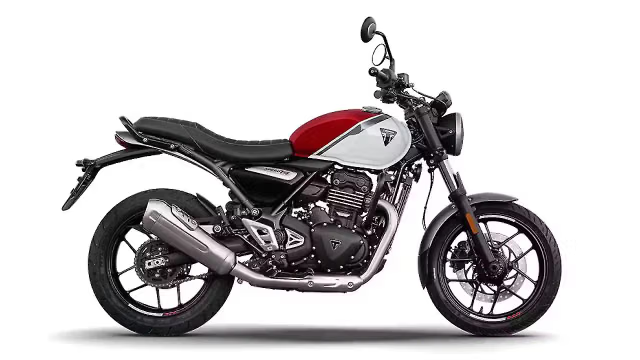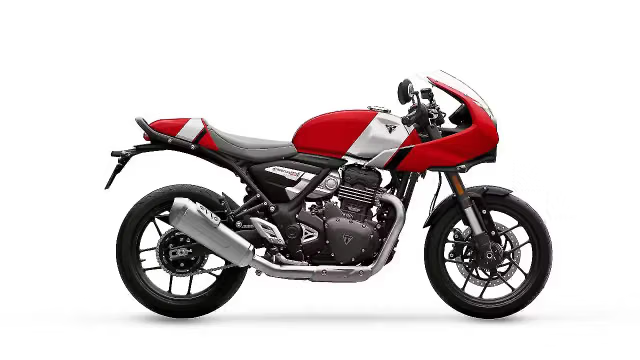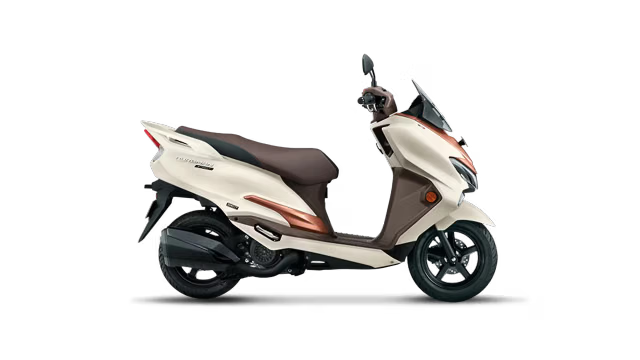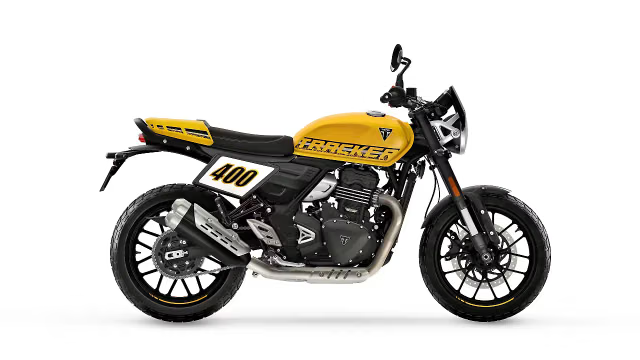
Triumph Tracker 400vsYamaha Aerox E
Our AI recommends
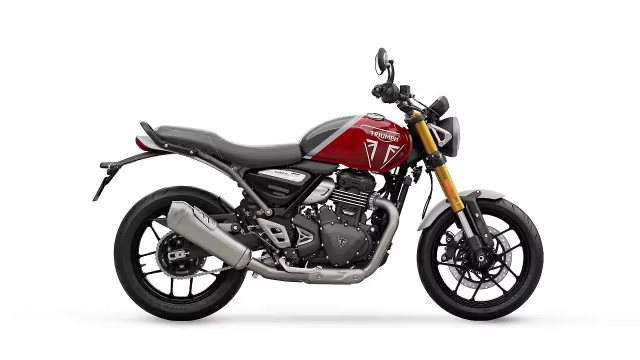
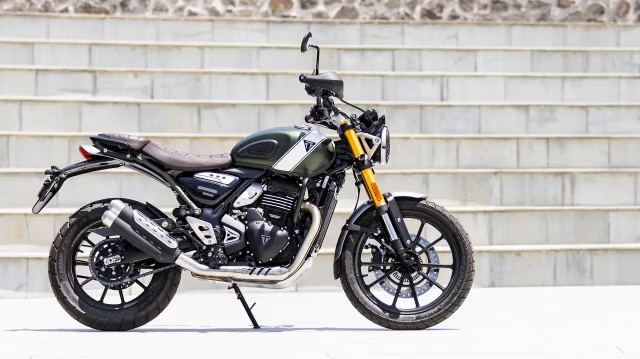
Triumph Tracker 400
72% Match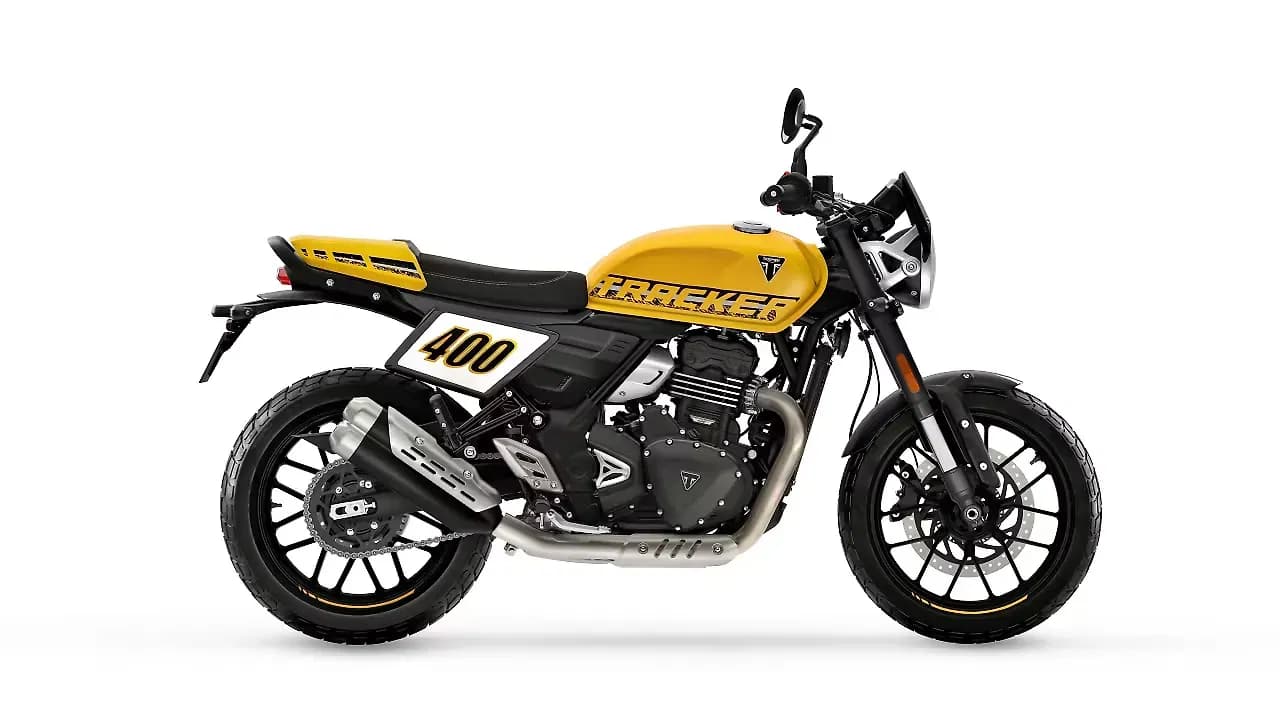
Triumph Tracker 400
Standard
₹2.46 Lakh
Ex-showroom price
Far Stronger Performance
With 39.45 bhp, 32 Nm and a 154 kmph top speed from its 349cc liquid-cooled engine, the Tracker 400 massively outguns the Aerox E's 9.4 kW motor and 95.5 kmph top speed.
Dual-Channel ABS and Traction Control
The Tracker 400 adds dual-channel ABS plus traction control, safety tech entirely absent on the single-channel ABS Aerox E.
Much Longer Range
A 390 km riding range on a 13-litre tank dwarfs the Aerox E's 117 km per charge, and 6.2-hour recharge time, making the Tracker 400 far better for long rides.
AI Match
Triumph Tracker 400
- 88%
Performance
- 65%
Comfort
- 60%
Efficiency
- 50%
Features & Tech
- 80%
Safety
- 65%
Ownership
- 55%
Practicality
- 72%
Value
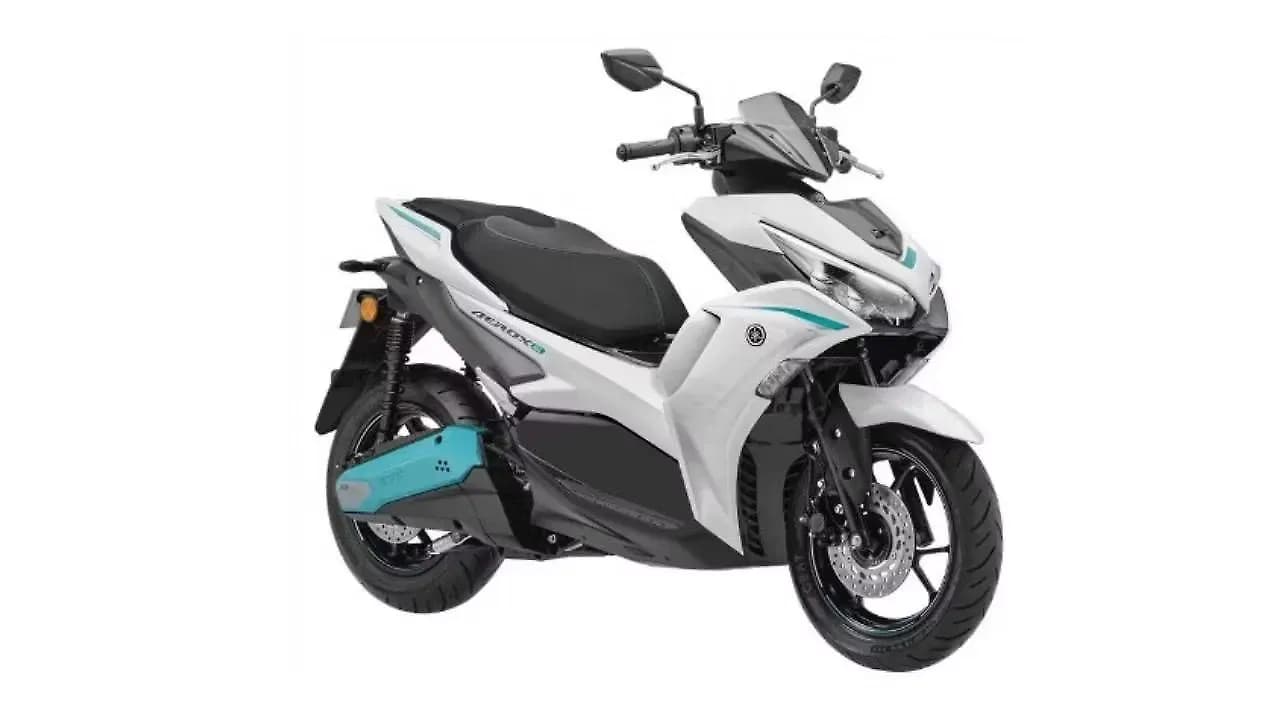
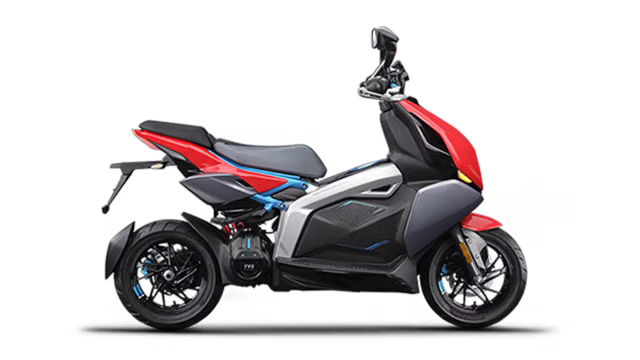
Yamaha Aerox E
Standard
₹2.82 Lakh
Ex-showroom price
Portable Battery Convenience
The Aerox E comes with 2 portable batteries (1.5 kWh each) that can be charged separately, a flexibility petrol bikes can't match.
Richer Digital Dash
A 5-inch TFT display with turn-by-turn navigation, Bluetooth and call/SMS alerts gives the Aerox E smartphone-level connectivity the Tracker 400 lacks.
Under-Seat Storage
Unlike the Tracker 400 which has no under-seat storage, the Aerox E offers usable under-seat space plus a front storage box for daily essentials.
Which one describes you?
Tell us how you drive. Your daily use changes the recommendation.
Personalised recommendation
Daily CommuterYour AI pick
Yamaha Aerox E
For short urban hops and office commutes, the Aerox E's low running cost, automatic transmission, and city-friendly scooter form make it the easier daily companion over a 400cc manual naked.
See Full ComparisonWhy Aerox E for you?
Zero fuel cost, automatic ride
Electric powertrain with twist-and-go automatic transmission means no clutch work in traffic and near-zero running costs for daily commutes.
Lighter and easier to manage
At 139 kg with under-seat storage and a front storage box, it's far easier to filter through traffic and park than the heavier Tracker 400.
Lower price point
At Rs 2.81 lakh ex-showroom it undercuts typical commuter budgets better suited for short daily trips compared to a premium 400cc streetfighter.
Every vehicle has a different personality.
Find out how the Triumph Tracker 400 and Yamaha Aerox E stack up across key factors and see what makes each of them unique.
Triumph Tracker 400 pulls ahead overall
The Tracker 400 dominates on raw performance, range and safety hardware thanks to its combustion engine and dual-channel ABS, while the Aerox E claws back ground on efficiency, tech convenience and scooter-style practicality like portable batteries and under-seat storage.
Far Stronger Performance
With 39.45 bhp, 32 Nm and a 154 kmph top speed from its 349cc liquid-cooled engine, the Tracker 400 massively outguns the Aerox E's 9.4 kW motor and 95.5 kmph top speed.
Dual-Channel ABS and Traction Control
The Tracker 400 adds dual-channel ABS plus traction control, safety tech entirely absent on the single-channel ABS Aerox E.
Much Longer Range
A 390 km riding range on a 13-litre tank dwarfs the Aerox E's 117 km per charge, and 6.2-hour recharge time, making the Tracker 400 far better for long rides.
A Trade-off
The Aerox E comes with 2 portable batteries (1.5 kWh each) that can be charged separately, a flexibility petrol bikes can't match.
Strengths that matter every day.
A side-by-side look at what each one does best, so you can choose what fits your needs.
Triumph Tracker 400
Strengths for those who prioritise power, safety and range.
Far Stronger Performance
With 39.45 bhp, 32 Nm and a 154 kmph top speed from its 349cc liquid-cooled engine, the Tracker 400 massively outguns the Aerox E's 9.4 kW motor and 95.5 kmph top speed.
Dual-Channel ABS and Traction Control
The Tracker 400 adds dual-channel ABS plus traction control, safety tech entirely absent on the single-channel ABS Aerox E.
Much Longer Range
A 390 km riding range on a 13-litre tank dwarfs the Aerox E's 117 km per charge, and 6.2-hour recharge time, making the Tracker 400 far better for long rides.
Lower Price, More Machine
At an ex-showroom price of 249,253 versus 281,600 for the Aerox E, the Tracker 400 costs less while delivering substantially more performance and equipment.
Adjustable Suspension for Real Riding
Upside-down forks up front and a preload-adjustable monoshock at the rear give the Tracker 400 proper suspension tuning that the simple underbone-chassis Aerox E doesn't offer.
Yamaha Aerox E
Strengths for those who prioritise features, comfort and efficiency.
Portable Battery Convenience
The Aerox E comes with 2 portable batteries (1.5 kWh each) that can be charged separately, a flexibility petrol bikes can't match.
Richer Digital Dash
A 5-inch TFT display with turn-by-turn navigation, Bluetooth and call/SMS alerts gives the Aerox E smartphone-level connectivity the Tracker 400 lacks.
Under-Seat Storage
Unlike the Tracker 400 which has no under-seat storage, the Aerox E offers usable under-seat space plus a front storage box for daily essentials.
Zero Running Cost on Fuel
As a fully electric scooter rated at 117 km per charge, the Aerox E eliminates petrol expenses entirely for short urban commutes.
Scooter-Friendly Ergonomics
Automatic transmission and a lighter 139 kg kerb weight make the Aerox E easier to ride in stop-go city traffic than a manual-geared motorcycle.
Features that matter every day.
Instead of counting features, we compare which ones each vehicle actually includes.
Power & Performance
Battery & Charging
Brakes & Wheels
Suspensions & Chassis
Warranty and Services
Dimensions
Safety & Convenience
Mobile App Monitoring
Lights
Seat & Storage
Instrument Cluster