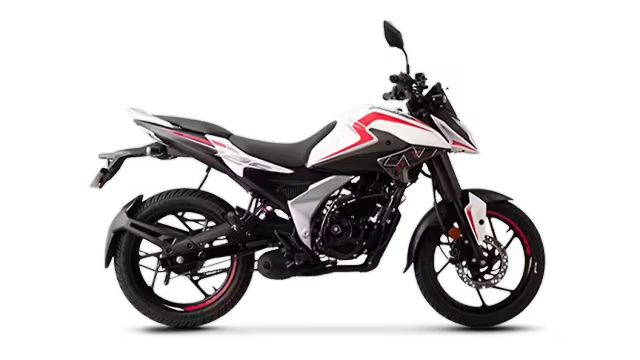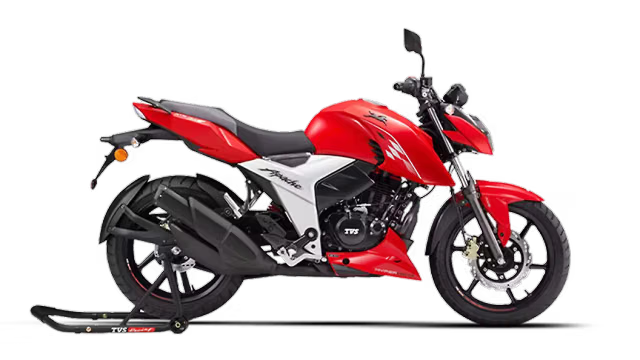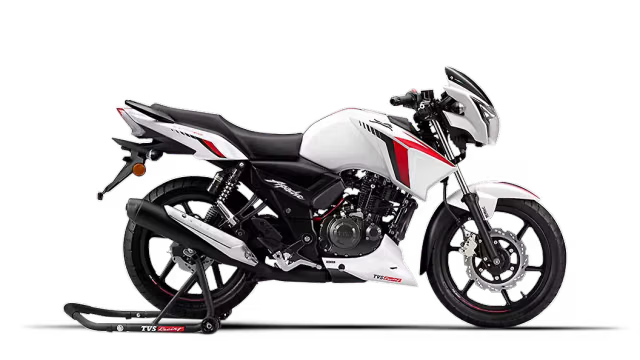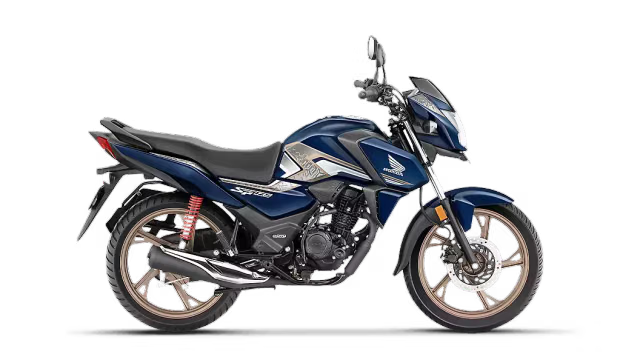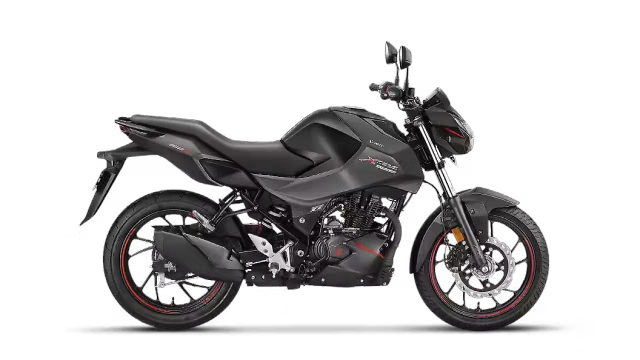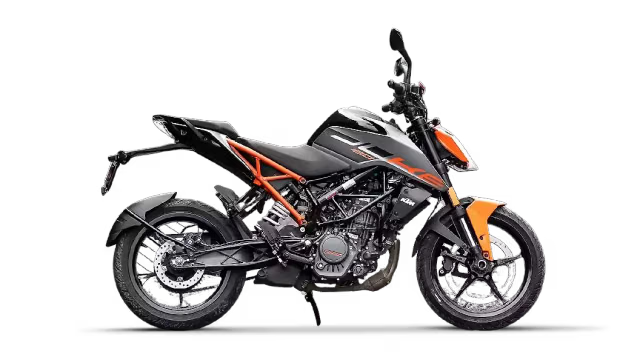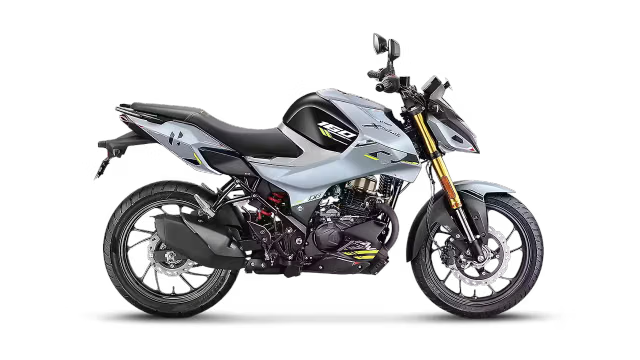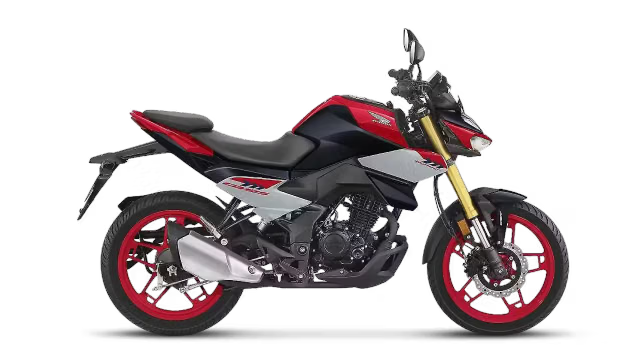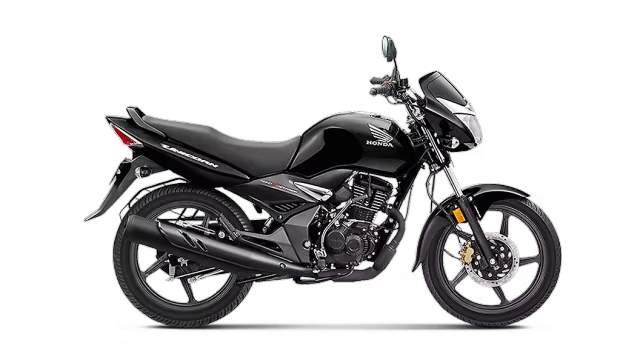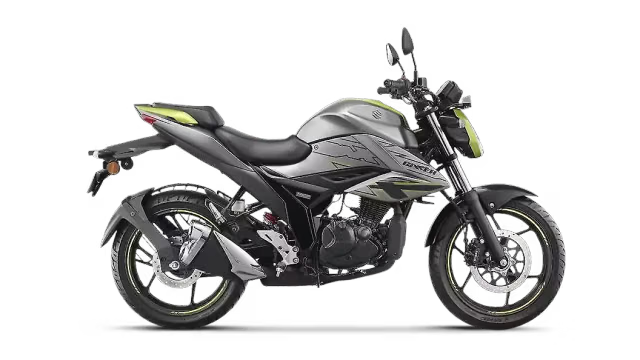
Honda CB 125 HornetvsTVS Apache RTR 160 4V
Our AI verdict
It's a close call
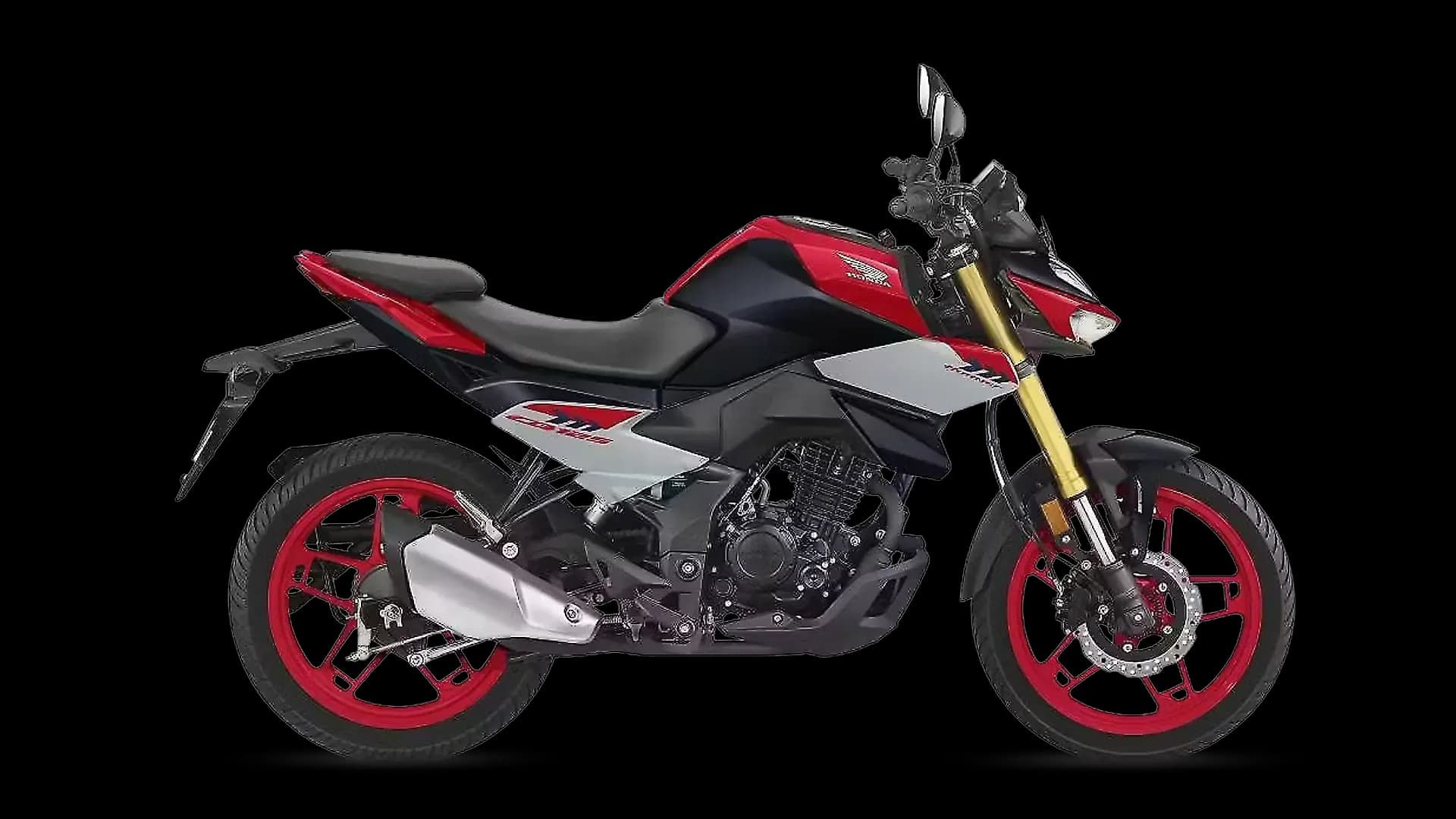
Honda CB 125 Hornet
Standard
₹1.15 Lakh
Ex-showroom price
Lighter On Its Feet
At 124 kg kerb weight the Hornet is 20 kg lighter than the Apache's 144 kg, aiding low-speed handling.
Better Reported Fuel Economy
Owners report 55 kmpl on the Hornet versus 45 kmpl reported for the Apache.
Longer Riding Range
A 660 km riding range beats the Apache's 540 km on the same 12-litre tank.
AI Match
It's a tie
- 58%
Performance
- 74%
Comfort
- 85%
Efficiency
- 55%
Features & Tech
- 68%
Safety
- 62%
Ownership
- 68%
Practicality
- 70%
Value
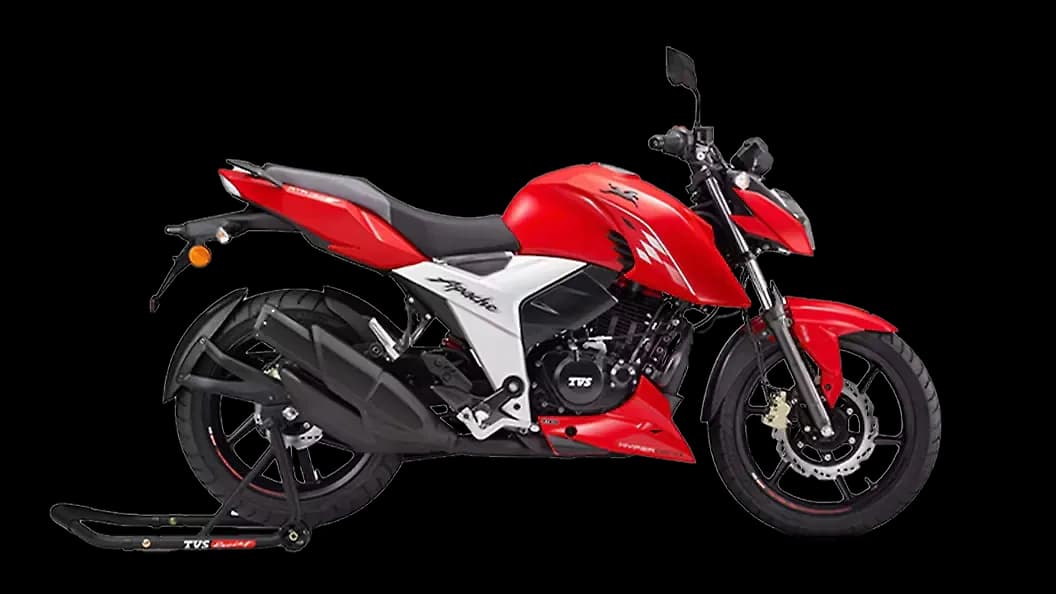
TVS Apache RTR 160 4V
Single Disc ABS
₹1.16 - ₹1.39 Lakh
Ex-showroom price
More Muscle
17.31 bhp and 14.73 Nm comfortably outpower the Hornet's 10.99 bhp and 11.2 Nm.
Riding Modes Onboard
Sport, Urban and Rain modes let riders tailor throttle response, a feature the Hornet lacks entirely.
Bigger Bite Up Front
A 270 mm front disc with a 2-piston caliper offers a larger braking surface than the Hornet's 240 mm disc.
Which one describes you?
Tell us how you drive. Your daily use changes the recommendation.
Personalised recommendation
Daily CommuterYour AI pick
Honda CB 125 Hornet
For stop-and-go city riding, the Hornet's lighter weight and stronger reported mileage make daily runs cheaper and easier to manage.
See Full ComparisonWhy CB 125 Hornet for you?
Lighter To Filter Traffic
124 kg versus 144 kg makes the Hornet easier to maneuver through congested streets.
Frugal At The Pump
55 kmpl owner-reported economy trims daily fuel costs compared to the Apache's 45 kmpl reported figure.
Fewer Fuel Stops
A 660 km riding range means less frequent refueling on a similar 12-litre tank.
Every vehicle has a different personality.
Find out how the Honda CB 125 Hornet and TVS Apache RTR 160 4V stack up across key factors and see what makes each of them unique.
What the shape reveals
The Apache leads clearly in outright performance and features while the Hornet's radar bulges out on efficiency and stays competitive on comfort thanks to its lighter weight and premium suspension hardware.
Lighter On Its Feet
At 124 kg kerb weight the Hornet is 20 kg lighter than the Apache's 144 kg, aiding low-speed handling.
Better Reported Fuel Economy
Owners report 55 kmpl on the Hornet versus 45 kmpl reported for the Apache.
More Muscle
17.31 bhp and 14.73 Nm comfortably outpower the Hornet's 10.99 bhp and 11.2 Nm.
Riding Modes Onboard
Sport, Urban and Rain modes let riders tailor throttle response, a feature the Hornet lacks entirely.
Strengths that matter every day.
A side-by-side look at what each one does best, so you can choose what fits your needs.
Honda CB 125 Hornet
Strengths for those who prioritise performance, efficiency and range.
Lighter On Its Feet
At 124 kg kerb weight the Hornet is 20 kg lighter than the Apache's 144 kg, aiding low-speed handling.
Better Reported Fuel Economy
Owners report 55 kmpl on the Hornet versus 45 kmpl reported for the Apache.
Longer Riding Range
A 660 km riding range beats the Apache's 540 km on the same 12-litre tank.
Premium Suspension Setup
An upside-down front fork paired with a 5-step adjustable mono-shock is more sophisticated than the Apache's telescopic fork and single-position preload adjuster.
Charge On The Go
A front USB charging port is included on the Hornet, a convenience feature absent on the Apache.
TVS Apache RTR 160 4V
Strengths for those who prioritise power, performance and safety.
More Muscle
17.31 bhp and 14.73 Nm comfortably outpower the Hornet's 10.99 bhp and 11.2 Nm.
Riding Modes Onboard
Sport, Urban and Rain modes let riders tailor throttle response, a feature the Hornet lacks entirely.
Bigger Bite Up Front
A 270 mm front disc with a 2-piston caliper offers a larger braking surface than the Hornet's 240 mm disc.
Longer Warranty Cover
TVS backs the Apache with 60,000 km or 5 years versus Honda's 42,000 km or 3 years on the Hornet.
Faster Top End
A documented 114 kmph top speed gives the Apache a clear high-speed edge for spirited riding.
Features that matter every day.
Instead of counting features, we compare which ones each vehicle actually includes.
Power & Performance
Brakes & Wheels
Suspensions & Chassis
Warranty and Services
Dimensions
Safety & Convenience
Mobile App Monitoring
Lights
Seat & Storage
Instrument Cluster