Kawasaki Ninja 300 [2026]vsYamaha R2
Our AI recommends
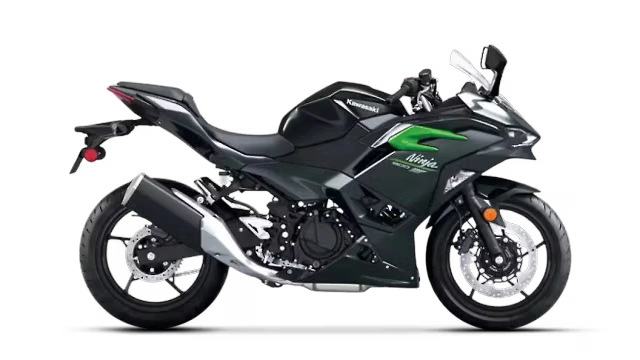
Kawasaki Ninja 300 [2026]
66% Match![Kawasaki Ninja 300 [2026]](/_next/image?url=https%3A%2F%2Fimages.bookmybike.in%2Fbikes%2Fmodels%2F388%2F4304%2Fkawasaki-ninja-300-423928403.png&w=3840&q=75)
Kawasaki Ninja 300 [2026]
Standard
₹3.17 Lakh
Ex-showroom price
Twin-Cylinder Muscle
A 296cc parallel-twin producing 38.88 bhp and 26.1 Nm gives the Ninja 300 a clear performance edge over the R2's single-cylinder unit.
Higher Top Speed
Rated at 160 kmph top speed, the Ninja 300 outpaces the R2 for outright sprinting ability.
Bigger, Stronger Brakes
A 290mm front disc with 2-piston caliper offers more stopping power than the R2's 282mm front disc setup.
AI Match
Kawasaki Ninja 300 [2026]
- 85%
Performance
- 70%
Comfort
- 55%
Efficiency
- 60%
Features & Tech
- 75%
Safety
- 70%
Ownership
- 70%
Practicality
- 55%
Value
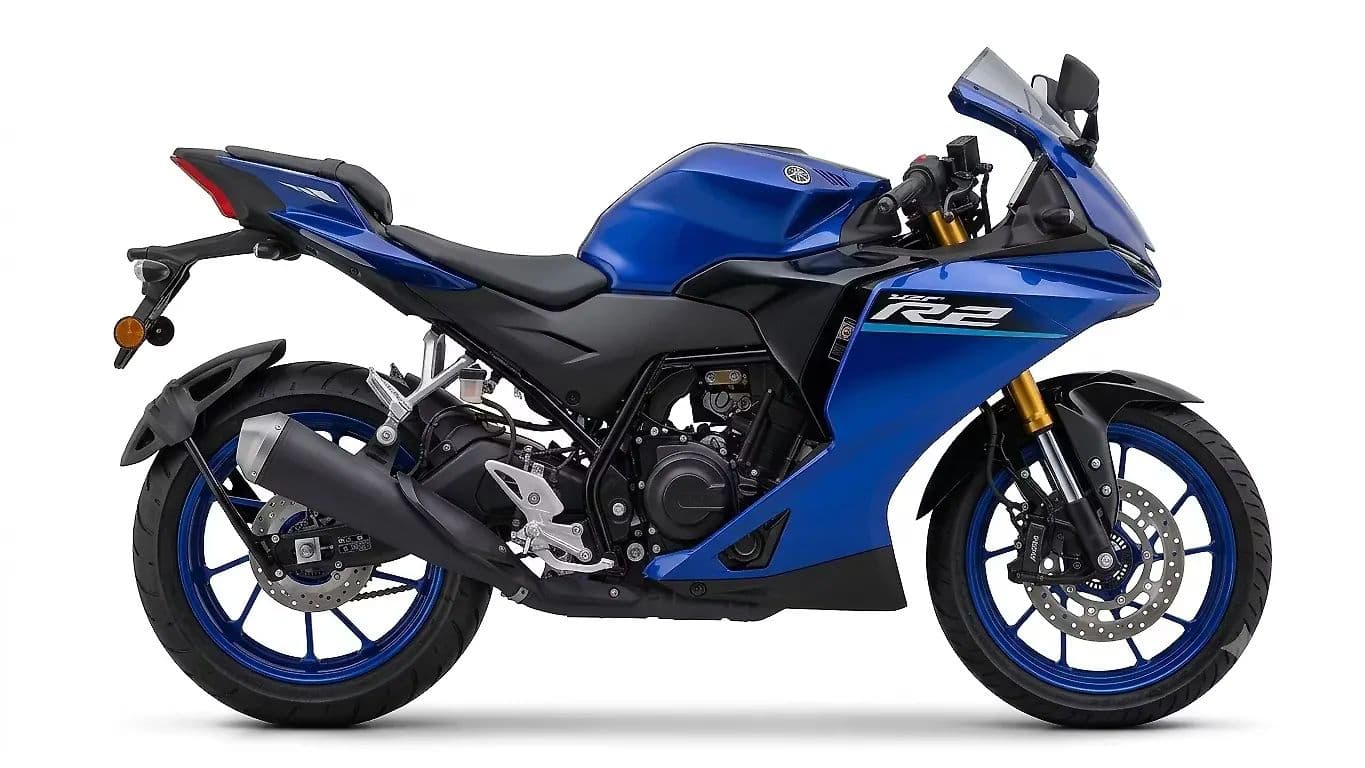
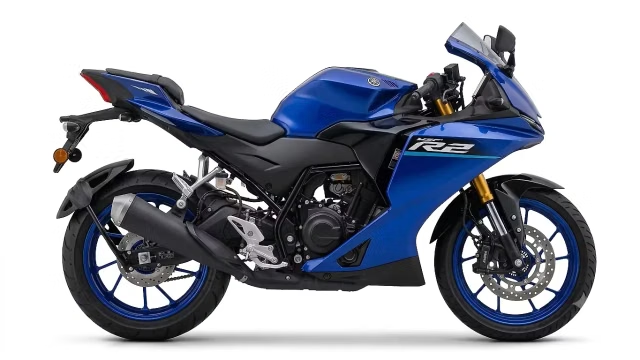
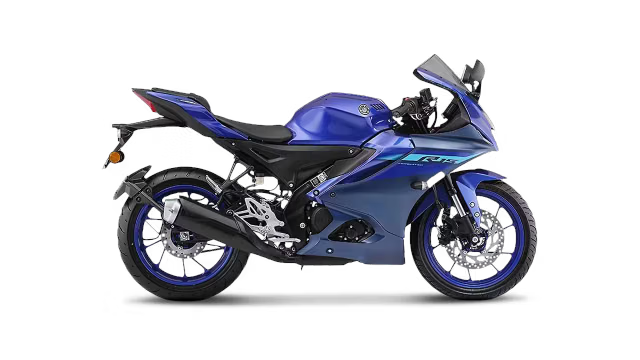
Yamaha R2
Standard
₹2.3 - ₹2.53 Lakh
Ex-showroom price
Lighter, More Flickable
At 149 kg kerb weight, the R2 is 30 kg lighter than the Ninja 300's 179 kg, aiding agility and easier handling.
Significantly Better Mileage
Owner-reported efficiency of 37 kmpl trounces the Ninja 300's 26.5 kmpl, meaning lower running costs per kilometre.
Modern Full-Color Cockpit
The R2 features a 5-inch TFT display with Bluetooth connectivity and call/SMS alerts, far ahead of the Ninja 300's semi-digital console with no connectivity.
Which one describes you?
Tell us how you drive. Your daily use changes the recommendation.
Personalised recommendation
Daily CommuterYour AI pick
Yamaha R2
The R2 is lighter, cheaper, and returns better mileage, making it an easier bike to live with in daily traffic and office commutes.
See Full ComparisonWhy R2 for you?
Better fuel economy
37 kmpl owner-reported mileage versus 26.5 kmpl means lower running costs for daily use.
Lighter kerb weight
At 149 kg vs 179 kg, the R2 is easier to filter through traffic and manage at low speeds.
Lower price
Ex-showroom price of Rs 2.3L vs Rs 3.17L makes it a more accessible daily commuter purchase.
Every vehicle has a different personality.
Find out how the Kawasaki Ninja 300 [2026] and Yamaha R2 stack up across key factors and see what makes each of them unique.
Kawasaki Ninja 300 [2026] pulls ahead overall
The Ninja 300 leans hard into raw performance, braking hardware and ownership reassurance (warranty, bigger tank), while the R2 trades outright power for efficiency, lighter weight and a more modern tech-laden cockpit.
Twin-Cylinder Muscle
A 296cc parallel-twin producing 38.88 bhp and 26.1 Nm gives the Ninja 300 a clear performance edge over the R2's single-cylinder unit.
Higher Top Speed
Rated at 160 kmph top speed, the Ninja 300 outpaces the R2 for outright sprinting ability.
Bigger, Stronger Brakes
A 290mm front disc with 2-piston caliper offers more stopping power than the R2's 282mm front disc setup.
A Trade-off
At 149 kg kerb weight, the R2 is 30 kg lighter than the Ninja 300's 179 kg, aiding agility and easier handling.
Strengths that matter every day.
A side-by-side look at what each one does best, so you can choose what fits your needs.
Kawasaki Ninja 300 [2026]
Strengths for those who prioritise power, performance and safety.
Twin-Cylinder Muscle
A 296cc parallel-twin producing 38.88 bhp and 26.1 Nm gives the Ninja 300 a clear performance edge over the R2's single-cylinder unit.
Higher Top Speed
Rated at 160 kmph top speed, the Ninja 300 outpaces the R2 for outright sprinting ability.
Bigger, Stronger Brakes
A 290mm front disc with 2-piston caliper offers more stopping power than the R2's 282mm front disc setup.
Longer Legs on the Highway
A larger 17-litre fuel tank with 4.5-litre reserve means fewer fuel stops on long rides compared to the R2's 12-litre tank.
Backed by Warranty Peace of Mind
Kawasaki covers the Ninja 300 for 30,000 km or 2 years, giving buyers documented ownership assurance that isn't listed for the R2.
Yamaha R2
Strengths for those who prioritise performance, efficiency and value.
Lighter, More Flickable
At 149 kg kerb weight, the R2 is 30 kg lighter than the Ninja 300's 179 kg, aiding agility and easier handling.
Significantly Better Mileage
Owner-reported efficiency of 37 kmpl trounces the Ninja 300's 26.5 kmpl, meaning lower running costs per kilometre.
Modern Full-Color Cockpit
The R2 features a 5-inch TFT display with Bluetooth connectivity and call/SMS alerts, far ahead of the Ninja 300's semi-digital console with no connectivity.
Smarter Electronics Package
Riding modes (Street, Rain, Sport), traction control and ride-by-wire give the R2 rider aids the Ninja 300 simply doesn't offer.
More Affordable Entry Point
Priced at ₹230,500 ex-showroom versus ₹317,000 for the Ninja 300, the R2 undercuts it by nearly ₹87,000.
Features that matter every day.
Instead of counting features, we compare which ones each vehicle actually includes.
Power & Performance
Brakes & Wheels
Suspensions & Chassis
Warranty and Services
Dimensions
Safety & Convenience
Mobile App Monitoring
Lights
Seat & Storage
Additional Features
Instrument Cluster